
Anthropology Museum – A Window Into Andaman’s Indigenous Soul
The Anthropology Museum in Port Blair is one of the most fascinating and culturally significant attractions in the Andaman Islands. More than just a museum, it is a beautifully curated journey into the lives, traditions, evolution, and remarkable resilience of the indigenous tribes who have inhabited these islands for thousands of years. For anyone seeking to understand the true essence of the Andamans—beyond its beaches, emerald waters, and colonial history—this museum is an essential stop.
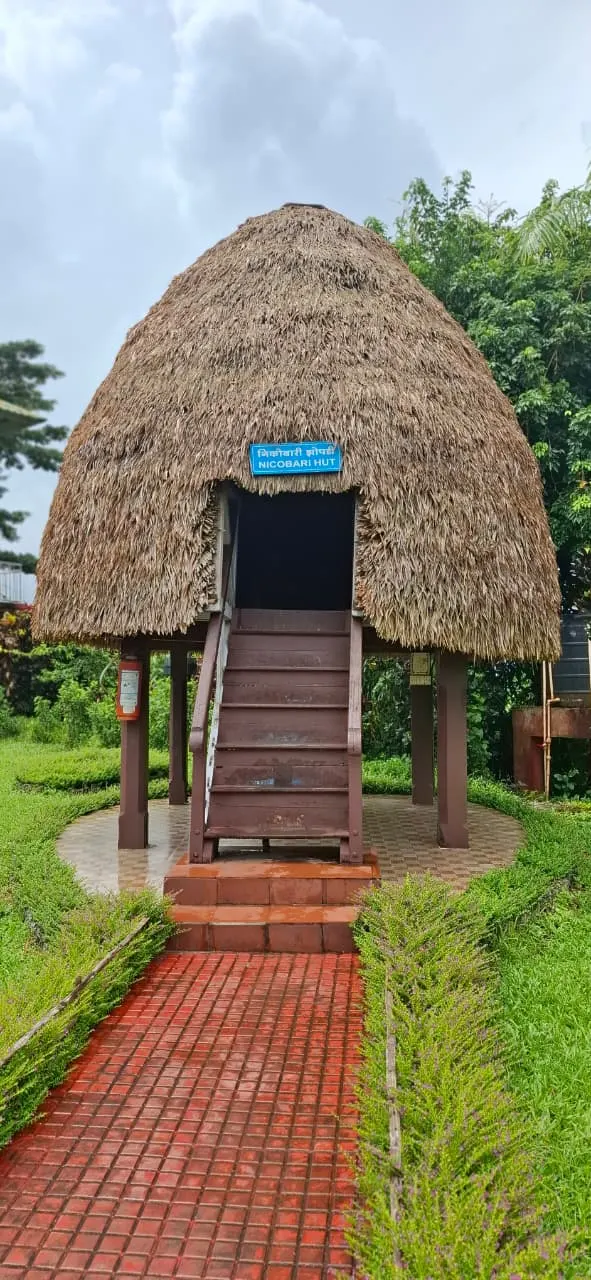
Established by the Anthropological Survey of India, the museum offers a detailed and immersive look into the lives of the archipelago’s ancient tribes: the Jarawas, Sentinelese, Great Andamanese, Onges, Shompens, and Nicobarese. These tribes represent some of the oldest surviving human cultures on Earth, each with distinct traditions, survival methods, and connections to nature. Through well-organized galleries, exhibits, and interpretive displays, the museum presents a respectful and informative portrayal of these communities while emphasizing their cultural importance and fragile existence.
The museum’s layout is easy to navigate and thoughtfully arranged. One of the most captivating sections is the tribal history gallery, which traces the origins and settlement patterns of the island’s native groups. Detailed timelines, maps, and archaeological findings help visitors visualize how these tribes adapted to the dense forests, marine environments, and isolated geography of the Andamans.
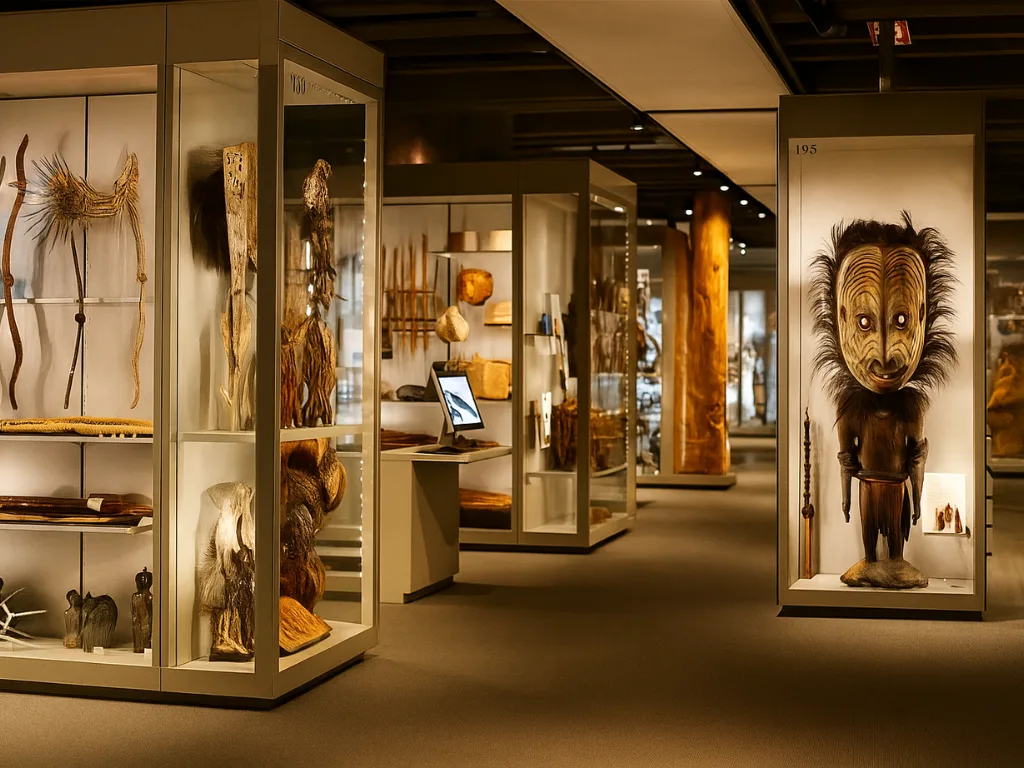
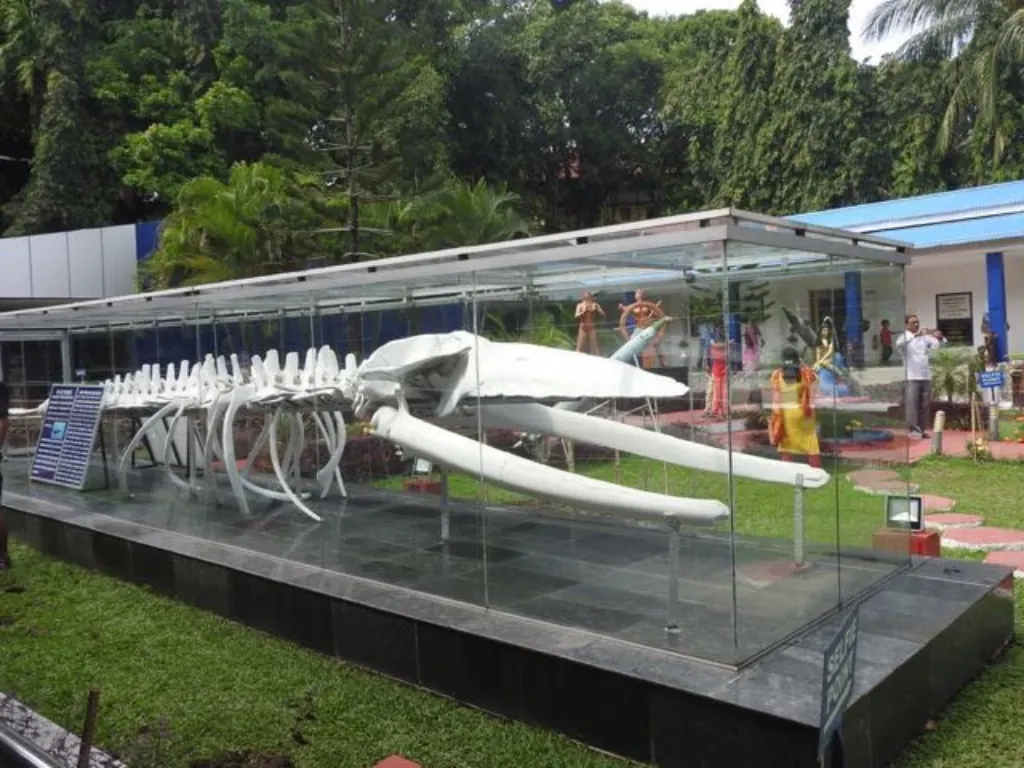
Another highlight is the collection of indigenous tools and handicrafts—handcrafted bows and arrows, fishing gear, canoes, wooden sculptures, face masks, and household items used by the tribes. Each artifact reveals a deep understanding of the natural world and showcases the clever craftsmanship required to survive in an isolated island ecosystem.
The museum also features life-size tribal models, carefully designed to depict traditional attire, body decorations, and lifestyle habits. These visual representations allow visitors to get a realistic glimpse into the tribes’ unique aesthetics, from the Great Andamanese shell ornaments to the Jarawa hunting gear. The detailing is remarkable, making this section particularly popular among students, cultural enthusiasts, and curious travelers.
A separate section highlights the anthropological challenges of the region—tribal protection, restricted contact zones, the importance of preserving indigenous culture, and ethical considerations about tourism. This is an eye-opening part of the museum, showing how modernization and curiosity must be balanced with respect and conservation.
The museum’s small auditorium occasionally screens documentaries that dig deeper into tribal life, giving visitors an enriched understanding of the island’s earliest inhabitants. These films are powerful, insightful, and often emotional, offering a rare perspective into worlds that are usually inaccessible due to strict government protections.
Visitors also enjoy the mini library, which houses research publications, photographs, and books on anthropology, tribal history, and island ecology. It serves as a quiet space for those who want to explore deeper into the cultural past of the Andamans.
A visit to the Anthropology Museum is not just educational—it is transformative. It invites you to look beyond beaches and tourist attractions and appreciate the Andamans as a living museum of ancient human stories. For travelers, students, and culture lovers, this museum offers an unforgettable and meaningful understanding of the islands’ indigenous heart.
Must-Visit
Explore the Island
Gallery
Ready to Experience ?
Let our travel experts help you craft the perfect water adventure itinerary tailored to your interests and budget.